
Why You Shouldn’t Forget About Your Air Filter

It’s one of those little things around the house that’s easy to ignore. You see the vent every day, maybe you hear your HVAC kick on, but when was the last time you actually checked the filter inside? Most people don’t think about it until there’s a problem. The air starts feeling dusty, allergies flare up, or the system sounds like it’s working way too hard.


Changing your air filter regularly is one of the simplest ways to keep your home running smooth and comfortable. It’s quick, inexpensive, and it can save you money over time.

Better Air, Better Breathing

When a filter gets clogged, dust and debris start circulating through your home. That means more sneezing, more coughing, and more cleaning. A fresh filter traps pollen, pet dander, and all the small particles you’d rather not breathe in. If you have pets or anyone with allergies in the house, this makes a huge difference.

Keep Your System Happy

Your HVAC system is like the lungs of your home. When the filter is dirty, it has to work harder to pull air through. Over time, that extra effort can shorten the life of your system. Replacing the filter on schedule keeps everything running efficiently and helps prevent unexpected repair bills that always seem to show up at the worst time.

Save on Your Energy Bill

A clean air filter allows your system to move air freely, which means it doesn’t need to use as much power to heat or cool your space. Even a small drop in efficiency can add up quickly on your energy bill. Changing your filter is one of those easy habits that pays you back month after month.

How Often Should You Change It?

For most homes, every three months is a good rule of thumb. If you have pets, smoke indoors, or live in a dusty area, once a month might be better. You can usually tell when it’s time just by looking. If it’s gray and fuzzy, it’s not doing its job anymore.

How to Change Your Air Filter

Changing an air filter only takes a few minutes, but doing it right makes all the difference.

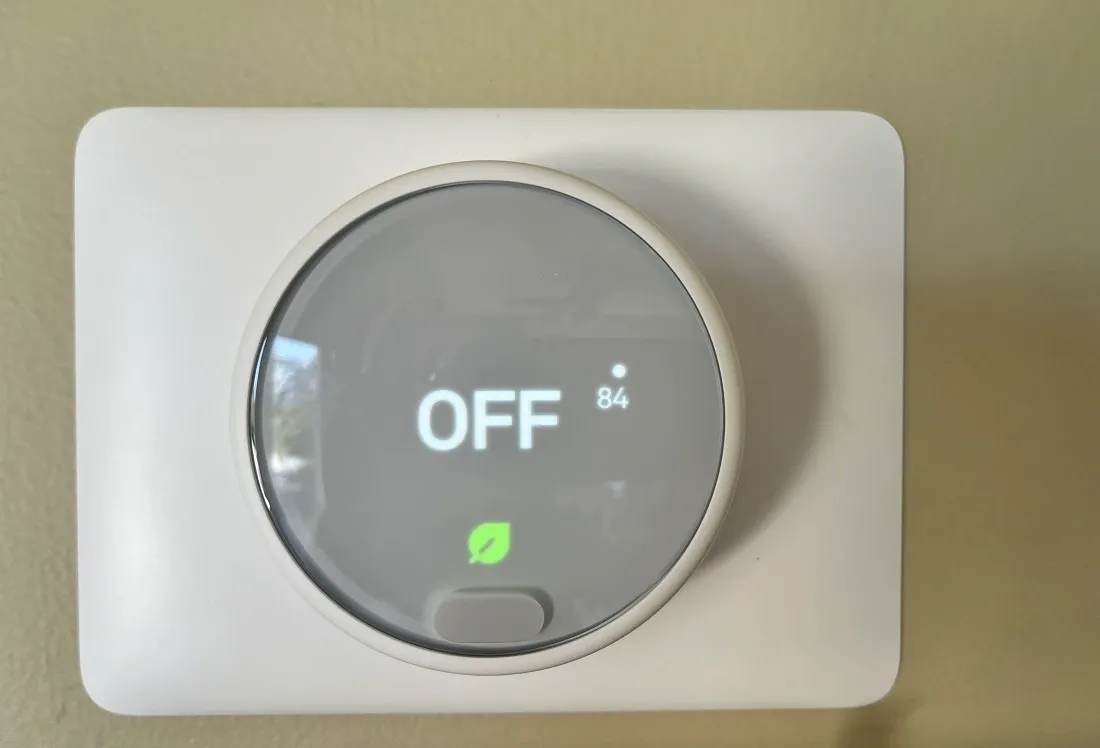
1. Turn off your system: Switch off your HVAC system at the thermostat before removing the filter
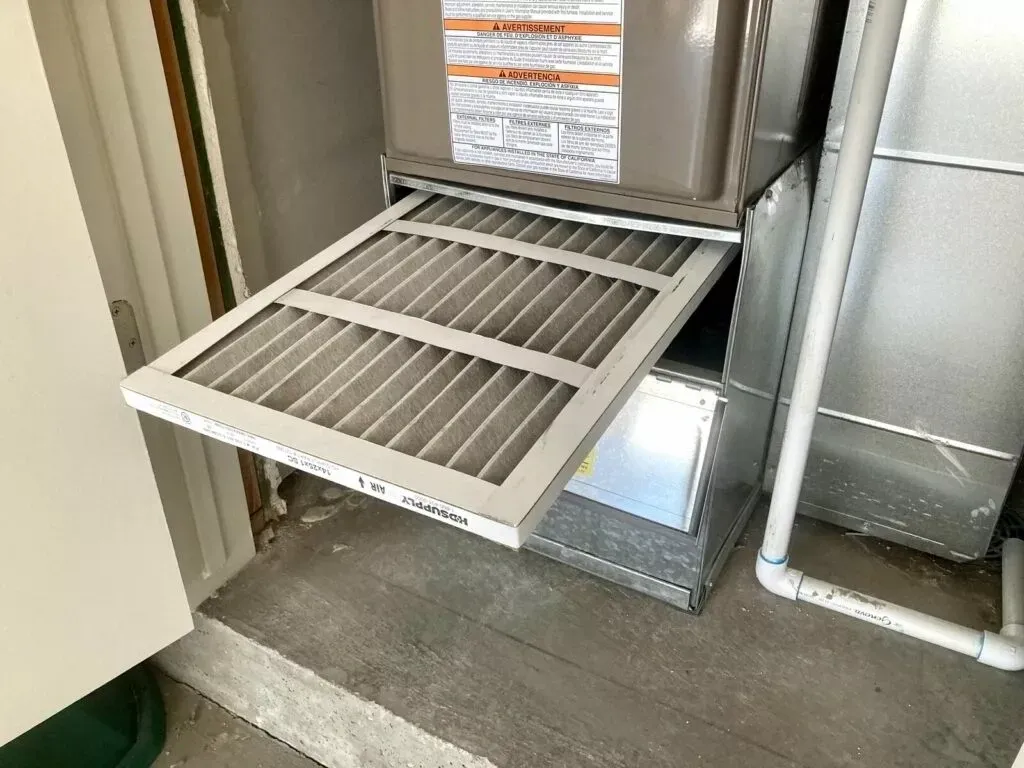
2. Find your filter location and remove the old filter: Most are behind a vent grille or inside the return air duct near the furnace or air handler. Make sure to check the size on the edge of the old filter.
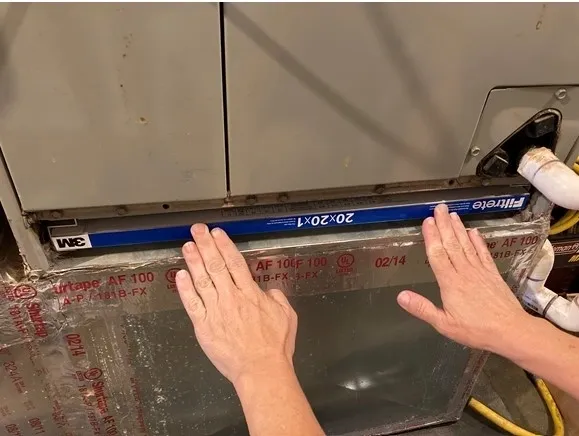
3. Insert the new filter: Look for the arrows on the frame and make sure they point toward the blower motor or into the duct. That shows the correct airflow direction.
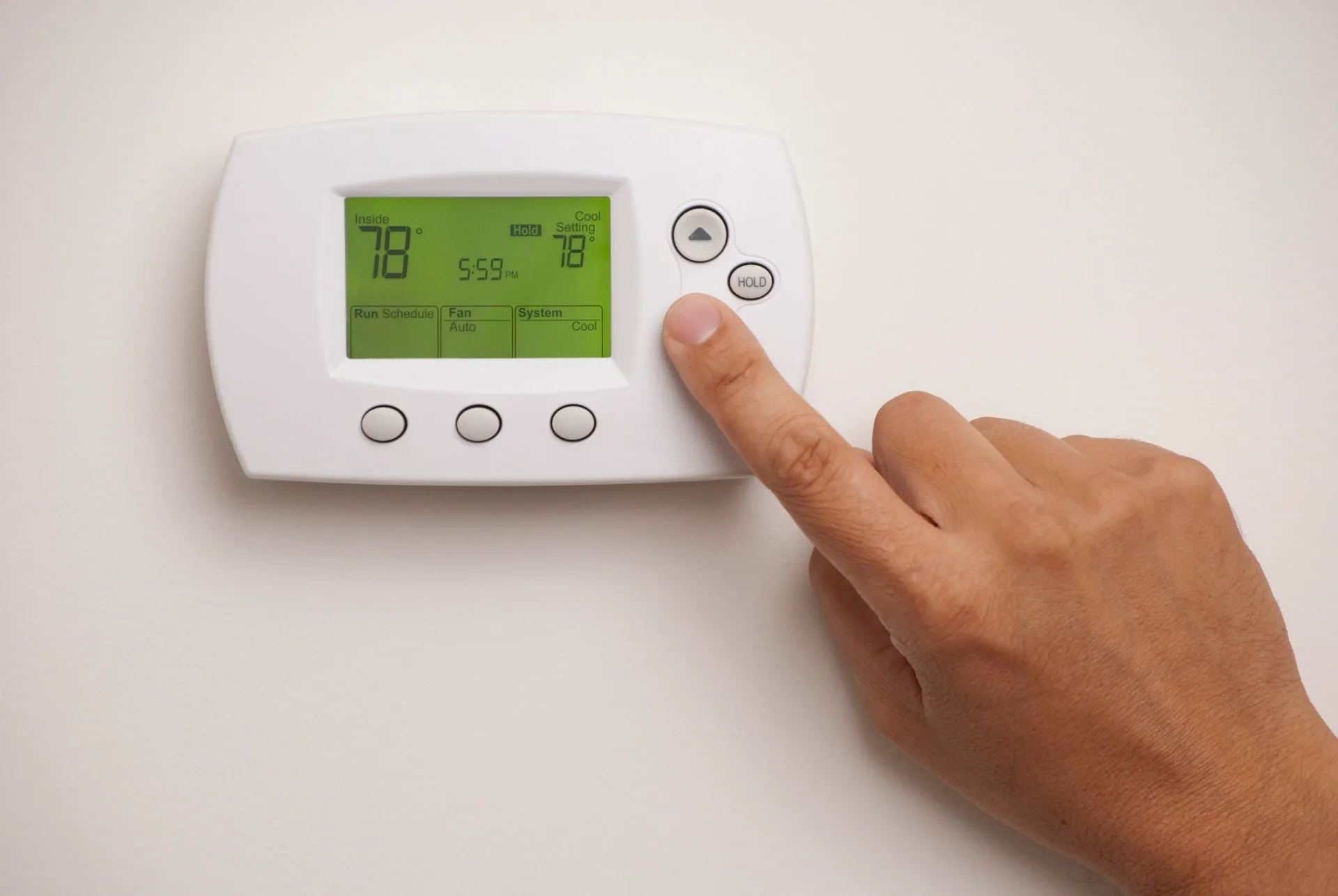
4. Secure the cover and turn your system back on: Once it’s in place, turn your system back on and enjoy the fresh air.

It’s really that simple. The hardest part is just remembering to do it.

Did You Know?

  • A clogged air filter can increase your energy bill by up to 15 percent, just from your system working harder.
  • Most standard air filters are rated by something called MERV, which stands for Minimum Efficiency Reporting Value. The higher the number, the smaller the particles it traps. For most homes, a MERV 8 to 11 is perfect — it balances good filtration without restricting airflow.
  • If you live near a busy road or have pets that shed a lot, your filter might need replacing twice as often as the average household.
  • Clean filters don’t just protect your lungs. They also protect your evaporator coils, which can be expensive to replace if dust builds up.

Final Thoughts

If you can’t remember the last time you changed your filter, today is a great day to start. Grab a new one, swap it out, and write down the date so you can stay on top of it next time. Small maintenance tasks like this keep your home comfortable and your system healthy.