
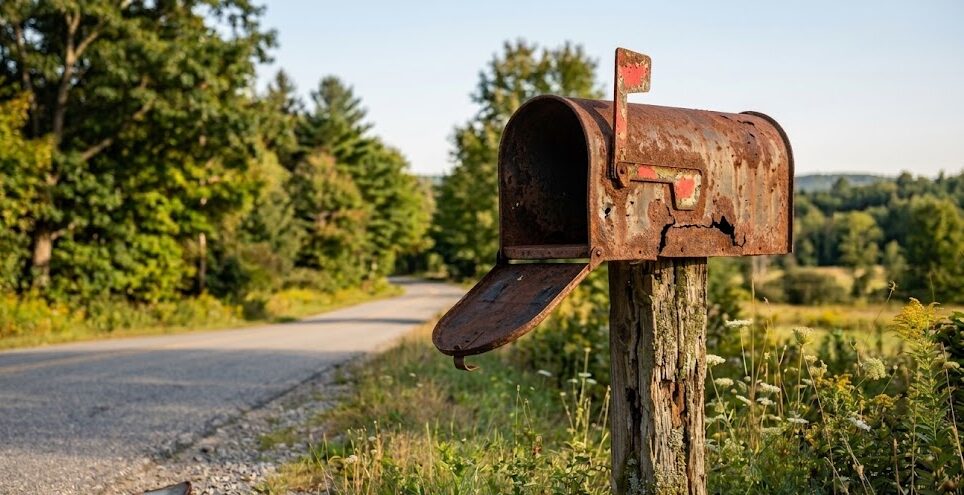
Your mailbox post is leaning, rotting, or falling apart. Maybe it survived a car hit or just gave up after years of weather. Now you need to replace it, but standing in the store looking at different post materials and styles feels overwhelming.
Here’s how to choose a mailbox post that will stand up to rain, wind, heat, and everything else nature throws at it.
Understanding Different
Mailbox Post Materials
Wood posts are the most common and affordable option. Pressure treated wood resists rot better than regular lumber and costs less than other materials. Cedar and redwood naturally resist decay and look beautiful but cost significantly more. Wood posts work well in most climates but need maintenance. You’ll need to seal or paint them every few years to prevent rotting and splitting. Expect wood posts to last 10 to 20 years with proper care, less in very wet or humid areas.
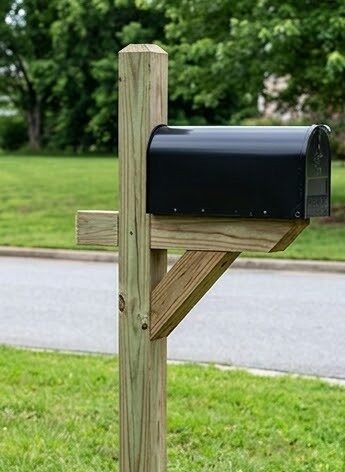
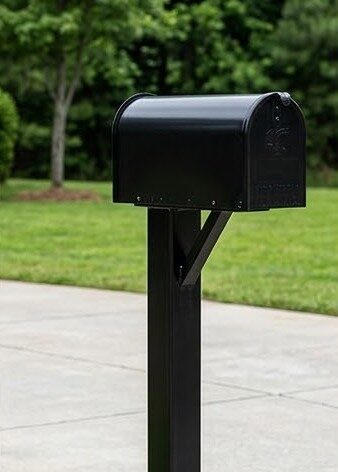
Metal posts offer superior durability in harsh weather. Steel posts coated with rust resistant finish can last 20 to 30 years or more. Aluminum posts never rust and work great in coastal areas where salt air destroys other materials. Metal withstands strong winds better than wood and won’t rot from moisture. The downside is higher cost and potential denting from impacts. In very cold climates, metal can get brittle over time.
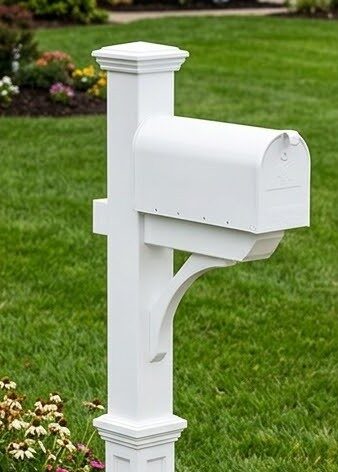
Vinyl and composite posts require almost no maintenance. They never rot, don’t need painting, and resist insects and moisture damage. Vinyl works well in areas with lots of rain or humidity. However, vinyl can crack in extreme cold and fade in intense sun over many years. Composite materials blend wood fibers with plastic for a wood look without wood problems. These posts cost more upfront but save money long term by eliminating maintenance.
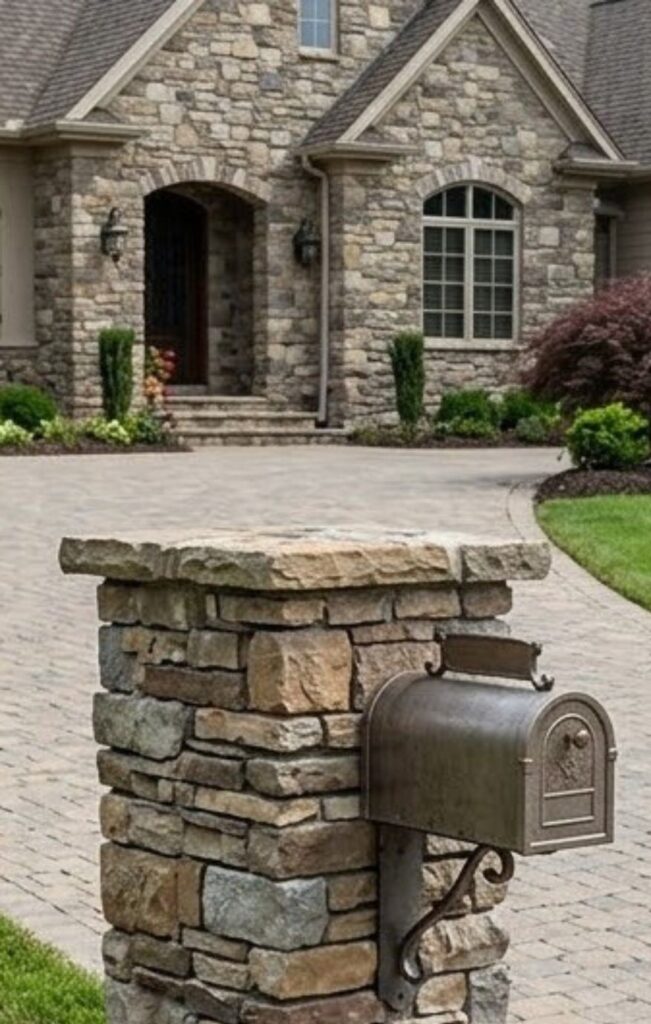
Brick and stone posts create permanent installations that can last 50 years or more. They handle any weather condition and look upscale. But they require proper foundation work, cost significantly more to install, and need professional installation. Once installed, they’re nearly maintenance free except for occasional repointing of mortar joints.
Matching Your Post to Your
Climate and Location
Hot and sunny climates need UV resistant materials. Constant sun exposure fades and weakens some materials. Vinyl rated for UV resistance works well. Metal with quality powder coat finish holds up better than painted metal. Wood needs UV protective stain or paint reapplied regularly. Dark colors absorb more heat and deteriorate faster in hot climates, so consider lighter colors for metal or vinyl posts.
Wet and humid areas require rot resistant choices. Pressure treated wood must be properly sealed or it will rot within a few years despite the treatment. Vinyl and composite materials excel in wet climates because moisture doesn’t affect them. Metal posts need good rust protection. Aluminum is best for areas with constant moisture or near oceans where salt spray corrodes regular steel.
Cold and snowy regions demand sturdy construction. Posts need to be set below the frost line (usually 3 to 4 feet deep in northern states) or frost heaving will push them out of the ground. Metal can become brittle in extreme cold. Quality vinyl rated for cold weather won’t crack. Wood handles cold well but wet snow sitting against the post accelerates rot.
Windy locations need extra stability and strong materials. Areas prone to strong winds or hurricanes need posts set deeper in the ground with more concrete. Metal posts handle high winds better than wood because they flex without breaking. Heavy duty mounting brackets and properly sized concrete footings matter more than post material in very windy areas.
High traffic roads require breakaway posts in some areas. These posts are designed to break away if hit by a car, reducing vehicle damage and injuries. Check local regulations because some municipalities require breakaway posts near roadways for safety reasons.
Ready to see how mailbox posts get installed properly to last for years? Our next post covers the complete installation process step by step.