Choosing the Right Light Fixture for Every Room in Your Home
You want to replace that outdated light fixture or add lighting to a dark room. Standing in the lighting aisle or scrolling through online options, everything looks good in pictures but you’re not sure what will actually work in your space.
Here’s how to choose light fixtures that fit your rooms, work with your electrical setup, and create the lighting you need.
Matching Fixture Types to Room Function
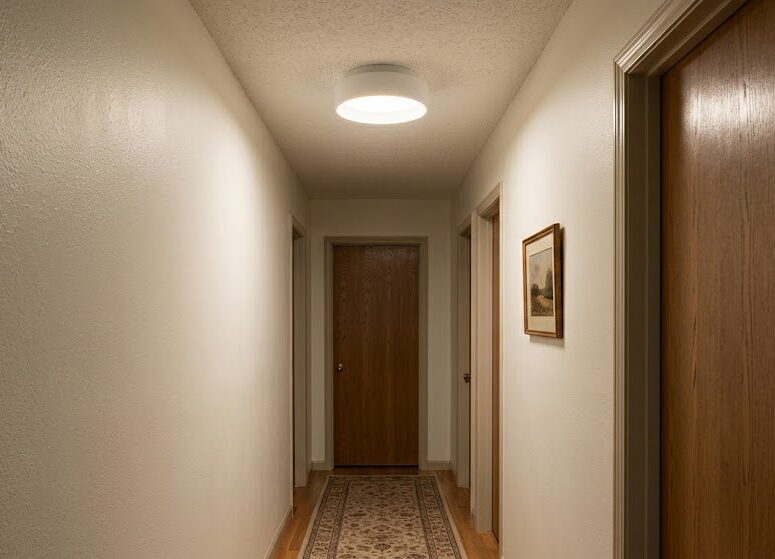
Ceiling mounted fixtures provide general room lighting. Flush mount fixtures sit directly against the ceiling, perfect for rooms with low ceilings like hallways, bedrooms, and closets. Semi flush fixtures hang down slightly, offering more style while still working in standard 8 foot ceilings.
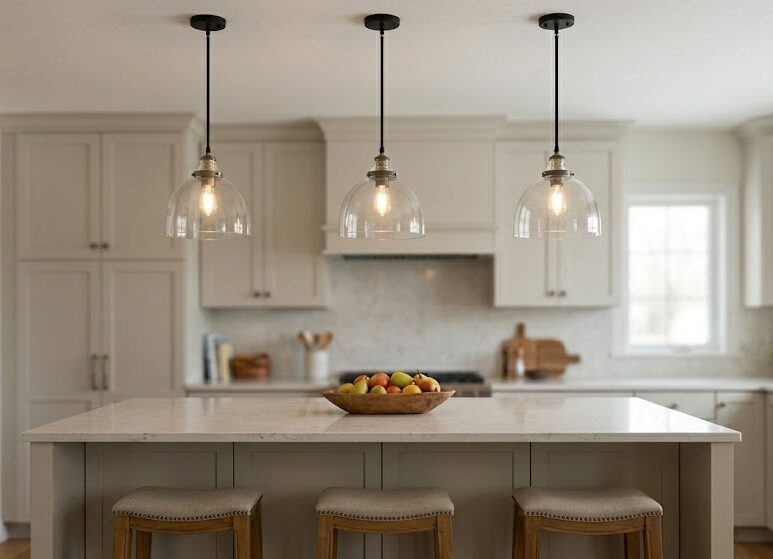
Pendant lights work best over specific areas. Hang them over kitchen islands, dining tables, bathroom vanities, or reading nooks. Pendants direct light downward to a specific spot. They need adequate ceiling height because they hang down 12 to 36 inches or more.
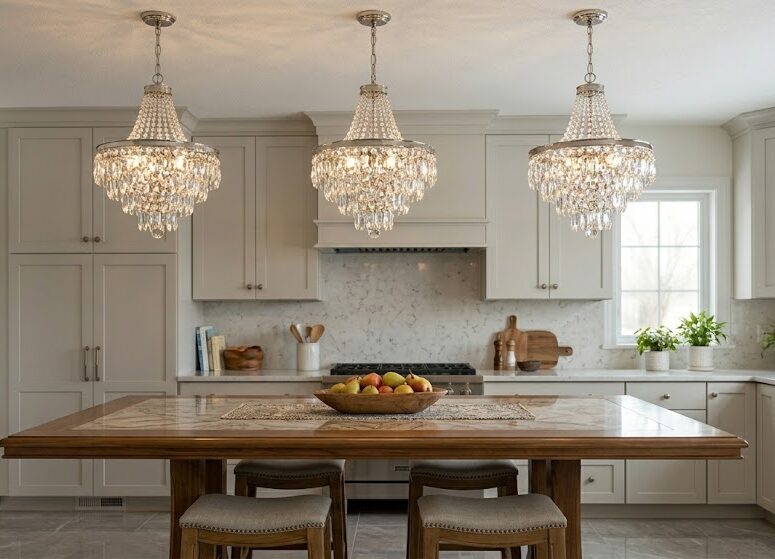
Chandeliers create statement lighting in formal spaces. Dining rooms, entryways, and master bedrooms often feature chandeliers as focal points. Size matters enormously. A chandelier that’s too small looks lost in a large room. One that’s too big overwhelms the space.
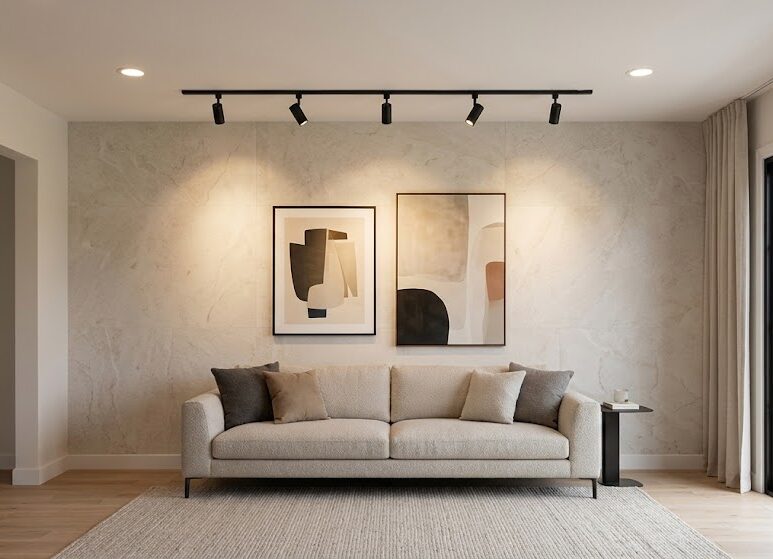
Track and recessed lighting provide flexible solutions. Track lighting allows you to adjust light direction for art, workspaces, or accent lighting. Recessed lights (can lights) create clean, modern looks and work anywhere but require ceiling access for installation.
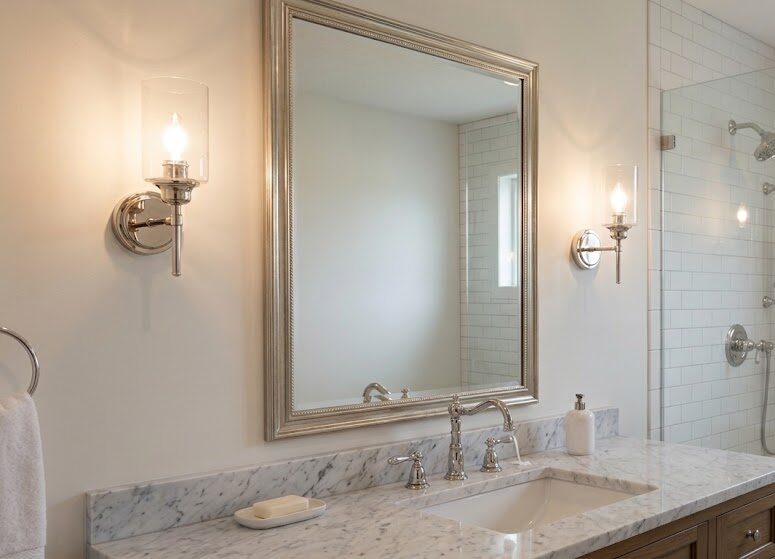
Wall sconces add accent and task lighting. Install them flanking bathroom mirrors for even face lighting. Use them in hallways for safe navigation at night. Place them beside beds as reading lights.
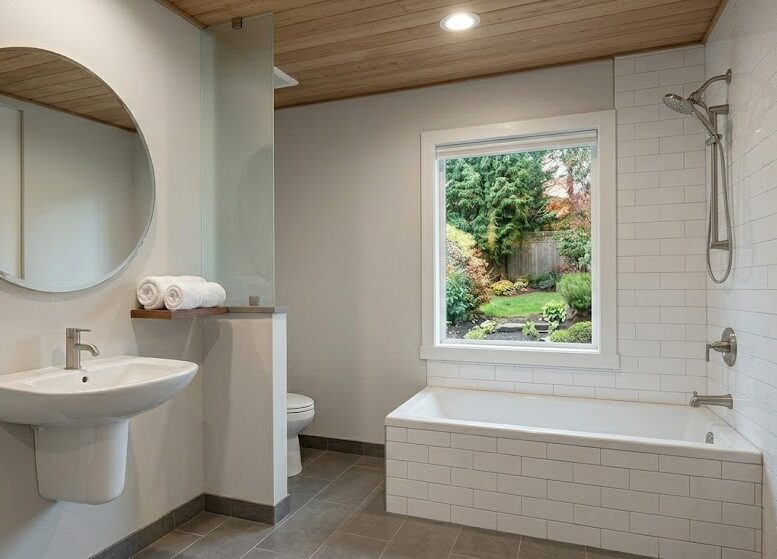
Bathroom lighting has special requirements. Fixtures near showers or tubs need wet or damp ratings depending on location. Vanity lighting should illuminate faces evenly without harsh shadows.
Making the Right Choice
Consider room size, ceiling height, purpose of the lighting, and your electrical setup before falling in love with a fixture based on looks alone. The right fixture provides adequate light, fits the space properly, and installs safely on your existing electrical system.
Ready to understand the installation process? Our next post shows you why professional installation prevents electrical hazards and ensures fixtures work properly.