You walk through your house and notice small holes, dents, and cracks in your walls. Some you remember causing. Others just appeared over time. Now you’re wondering why drywall seems to get damaged so easily and what’s actually causing all these imperfections.
Here are the most common reasons homes get small drywall damage and what you can do about it.
Everyday Accidents That Create Wall Holes
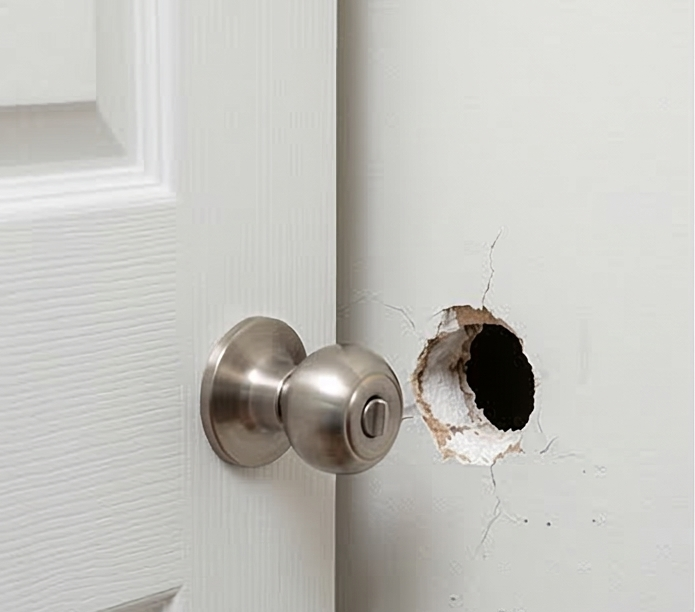
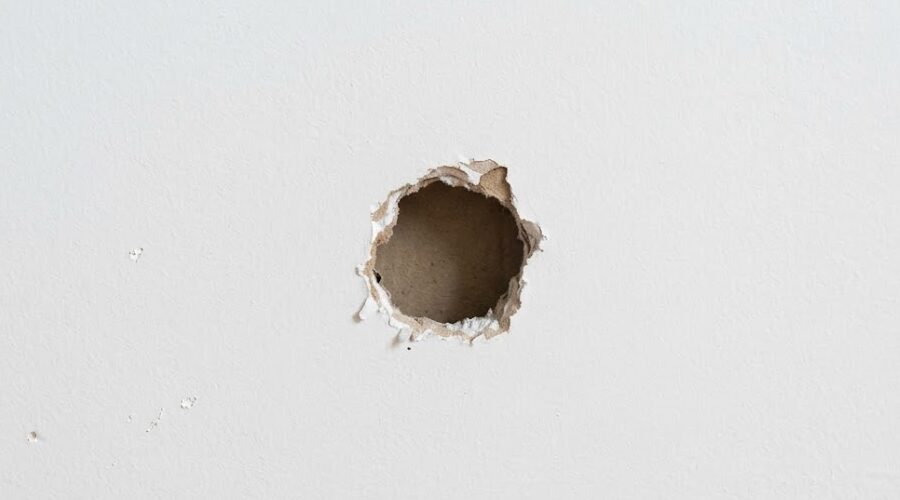
Doorknobs hitting walls is the number one cause of drywall holes in homes. You open a door too hard or without a doorstop, and the doorknob punches straight through the wall. This creates round holes about 1 to 2 inches across that need patching. Installing simple door stops on every door prevents this entirely, yet most people wait until after damaging their walls.
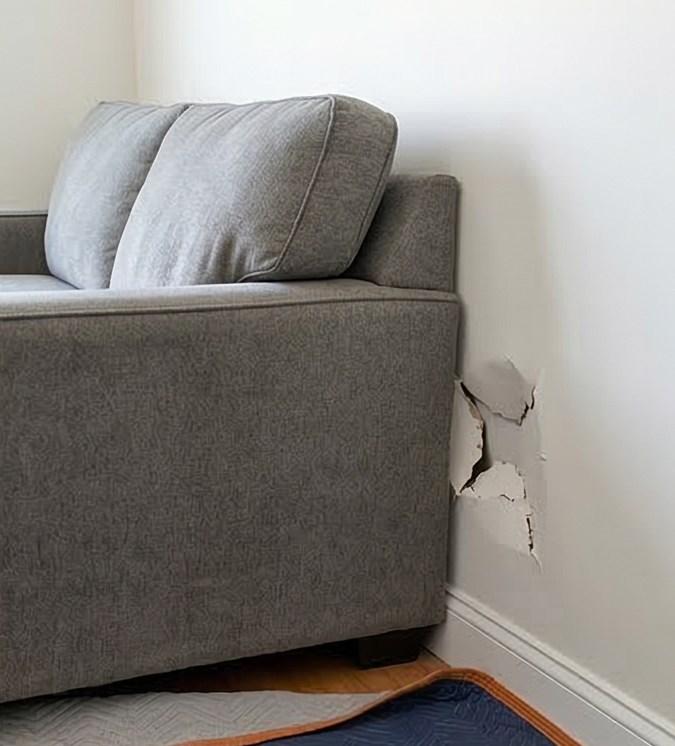
Moving furniture and appliances causes countless dents and holes. You’re rearranging the living room or moving a washing machine, and the corner clips the wall. Even careful moving can result in accidental impacts that crack or puncture drywall. Heavy items like bed frames, dressers, and refrigerators are the usual culprits.
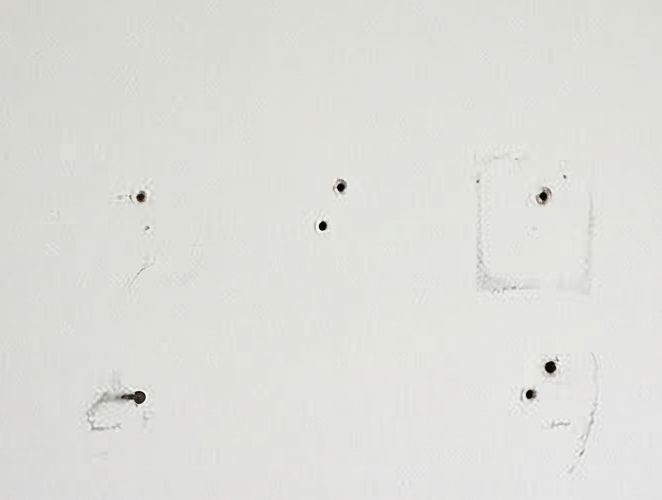
Hanging pictures and shelves leaves holes when you remove them. Every nail or screw creates a small hole. When you take down old decorations or rearrange wall hangings, you’re left with visible holes that need filling. People often don’t realize how many holes accumulate over years of redecorating.
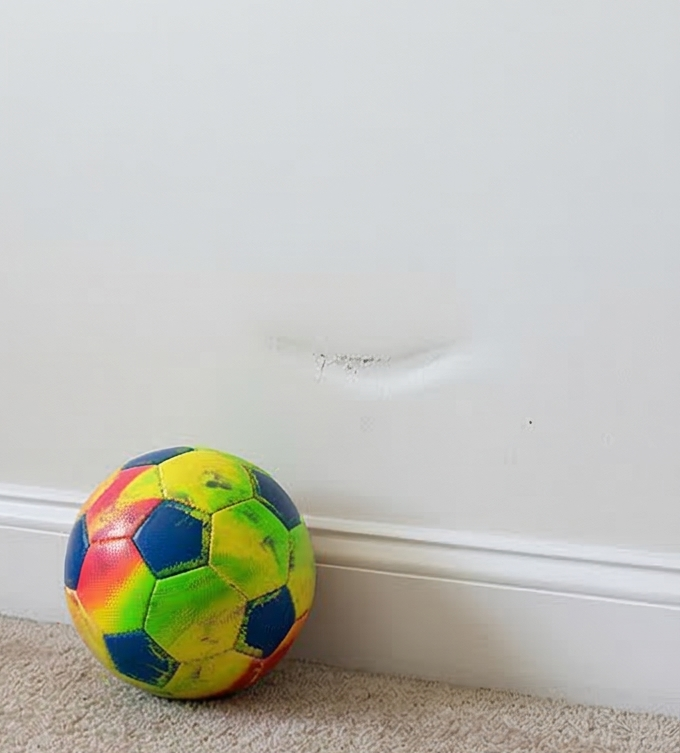
Kids and pets create unexpected damage. Toys thrown at walls, rough housing that ends with someone hitting the wall, sports equipment swung indoors. Dogs scratching at doors, cats climbing and jumping off walls, even large pets just bumping into corners repeatedly. Children and animals don’t mean to damage walls, but it happens regularly in active households.
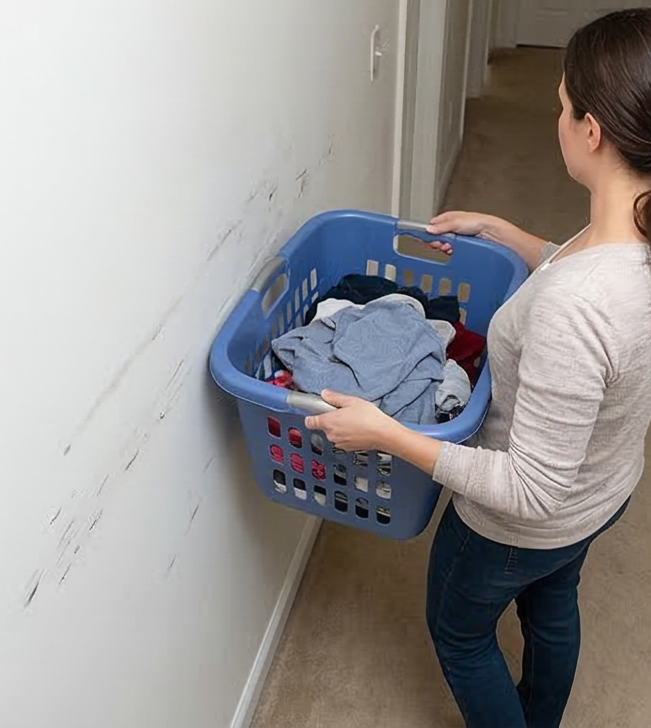
Corner impacts from daily life happen constantly without you noticing. Vacuum cleaners bump corners. Laundry baskets scrape walls in hallways. Bags and backpacks hit walls near doors. Furniture gets pushed against walls. These repeated small impacts eventually create visible dents and scuffs that make walls look worn and neglected.
Preventing Common Drywall Damage
Simple steps prevent most drywall damage.
Install door stops to protect walls from doorknobs.
Use proper wall anchors when hanging items
Move furniture carefully with padding or furniture sliders.
Fix small moisture problems immediately before they damage the drywall.
Address any leaks
Improve bathroom ventilation, and keep humidity levels reasonable.
Catching damage early makes repairs easier and cheaper. A small nail hole is quick to patch. Ignored, it collects dirt, edges crumble, and you end up with a larger repair job.
Next, we’ll show you the complete process for repairing small drywall holes so you can fix damage properly and make walls look perfect again.